This may seem counter-intuitive and I can already hear the dissenting voices in my head – “ugh the clue’s in the title mate – it’s Music Therapy.” It’s also worth saying from the outset that lots of Music Therapists would disagree with me on this issue. As I mentioned in my first blog of this series, Music Therapy means lots of different things to different people. I’m okay with that and the profession is ever richer for it.
So despite any internal or external voices to the contrary, I stand by my belief that music is often not the most important thing in Music Therapy. In some cases it’s actually pretty low down the pecking order of what is most important. Yes – it is an essential component of how Music Therapy emerged as a profession, yes – I am a musician and want to offer accessible, therapeutic ways into music-making, yes – music can be the crux of a poignant interactive relationship, BUT I just don’t believe that the music in sessions (or lack of it) should define any single piece of work. And the music doesn’t actually have to dictate whether Music Therapy is an effective therapeutic provision or not for any one individual.
Why? Well, even if someone is accessing Music Therapy, it’s not exclusively music that can help them to feel safe, understood or accepted. It doesn’t have to be music that supports them to be more creative or expressive. And it isn’t music that is always the facilitator of a powerful, perhaps even transformative, working relationship. Improvisation is at the core of my approach to Music Therapy (as described in my blog here) — and not just musical improvisation. It’s a way of staying playful, responsive and spontaneous with whatever an individual brings into the room, whether that’s an instrument or a pack of cards. If that means that music, certainly in the traditional sense, might not feature much in a particular piece of work, well I need to be ready to improvise around that.
I’ve been in sessions where board games, ball games or storytelling (amongst many other things) have been a much more powerful way into understanding certain individuals than their music. For some people, it feels that personality, humour and creativity can be teased out more with different kinds of activities to music. In the case of card games for example, someone’s approach to rules, control and competition can say so much. Improvisational elements are still crucial, but they don’t have to be with notes or rhythms.
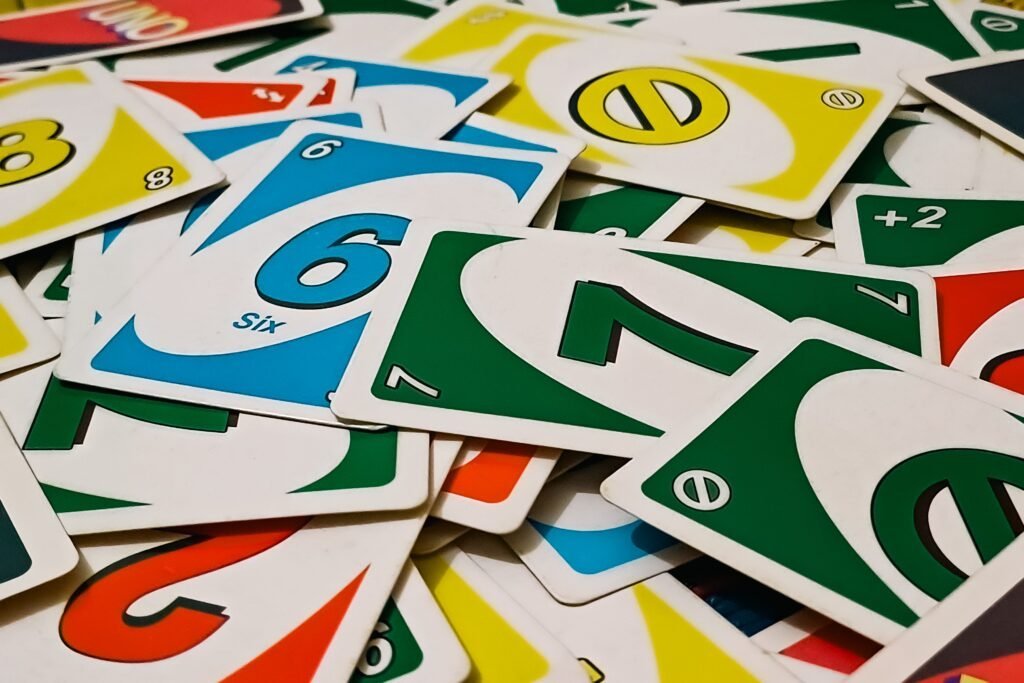
Alongside these alternative activities, since I like to encourage creative risks and I have lots of instruments at my disposal, I might still try and find alternative ways into music-making. I might have some drums by the side of a board game in case the mood takes us. I might negotiate a short improvisation between games of catch to try something new. I might suggest using music to help frame a story or bring it further to life. Yet the crux of the work in these examples, surprise surprise, is not really in our music-making, but in the development of the client’s overall self-expression through our working relationship.
An interesting flip side to these examples would be where music is rife in the session and yet it doesn’t feel like the therapy is necessarily very beneficial or effective. This could be because the music is completely stuck (e.g. same instruments and same kind of music played all the time), avoidant (e.g. cursory playing for time as opposed to authentic self-expression) or self-absorbed (e.g. doesn’t make space for interactive play or shared reflection). So I’ve learnt to assess work based on the broader qualities of evolving communication, play and connection, rather than just on the music involved.
Now don’t get me wrong, in some cases interactive music-making is absolutely the central and essential element of impactful Music Therapy. I’m working with people at the moment for whom it categorically is the most important part of our sessions; it’s the catalyst and glue for everything we do. Without it, I think we would be completely lost and redundant in the room.
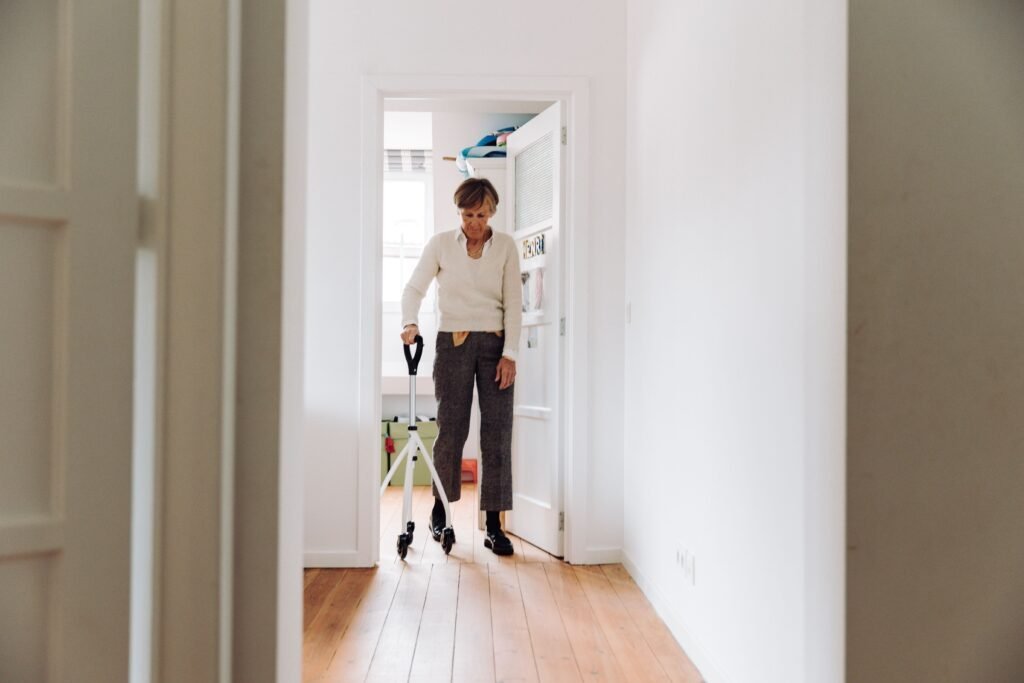
In other cases, music is really important but in a more inclusive sense of the word, not necessarily in the way that most people would perceive music, i.e. guitars, drums, singing etc. The ‘music’ in the therapy room might be more about the tempo of someone’s gait as they come in and walk around the room, someone’s tone of voice when they express something important, the steady ebb and flow of their breathing when they feel settled and relaxed. So we might not play any instruments in a session, but my musical training could be crucial in picking up on the way that melody, tone, rhythm and dynamics are evoked in all behaviour and interactions.
With that all in mind, maybe I can now re-frame my opening statement to a more nuanced summary. The crux of my approach to Music Therapy is always on developing a meaningful working relationship through play and reflection, regardless of whether any music is being made or listened to in sessions. I’ll always invite and encourage music to be present in some way, but if it doesn’t happen then it doesn’t mean we have to stop Music Therapy, or that we aren’t ‘doing’ Music Therapy. When I am considering the importance of music in a session, I’m open-minded as to what that music might look and sound like, instruments or no instruments. Everyone has musical qualities to them, whether they’re aware of them or not, and part of my job is being attentive to them and thinking about their broader significance. After all, it’s not just in a drum groove or a piano flourish that a transformative spark of creativity can appear.