

Here’s part two of my new blog series ‘Ten things I’ve learnt in ten years as a Music Therapist.’ I wrote last year about the challenges of being a parent of a child in Music Therapy. In some ways this is my partner piece as I reflect on what it’s like from my side, being both a parent and Music Therapist.
I started life as a parent with my Music Therapy training and a few years’ clinical experience already under my belt. This had (I think and hope, although others in my family may disagree!) a positive impact on the way I was able to think about early attachment styles, understand aspects of child development and engage in early play with my own kids.
In many ways I feel fortunate to have been in that position and to have been able to integrate more therapeutic thinking and self-reflection into my early life as a dad. Yet as any other parent would I suspect tell you, no amount of reading, training or education can actually prepare you for the reality of having children. No amount of theoretical knowledge can equip you completely for the unpredictability of parenthood and all of the emotional baggage that it brings up.
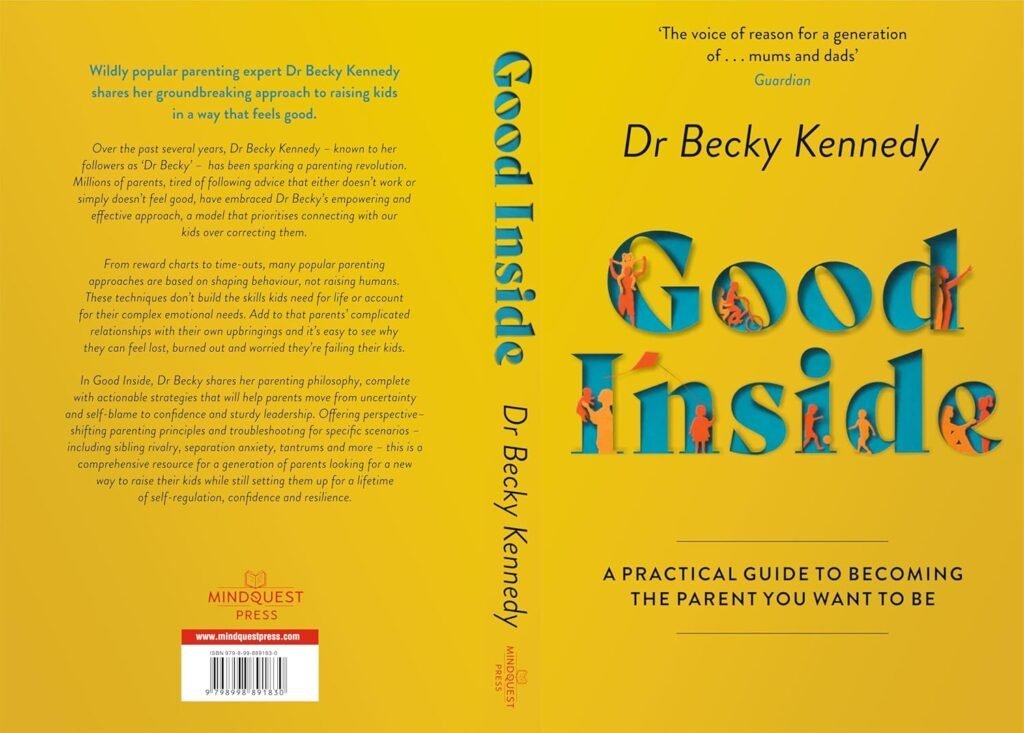
In an episode on fatherhood in the ‘Good Inside’ podcast, Dr Becky Kennedy aptly commented that when you’re about to become a parent, the real question is “are you ready for everything that’s unhealed…to come out before your eyes?!” You could argue the same could be said for people about to go into training as a Music Therapist.
It’s safe to say that I have many blind spots, that I consistently fall into parent traps and, since I work with a lot of children and young people as a professional, this can make my inner narrative pretty critical and harsh: “How did I get that so wrong?” “Why can’t I communicate like I know I should?!” “When am I ever going to learn to do that differently!?”
Having certain training and professional experiences behind me can complicate matters when, actually, trusting my natural instincts might be a healthier and more authentic way of parenting. Academic and theoretical perspectives can be incredibly valuable, but sometimes it’s good to not overthink things. And I certainly don’t think my kids want me to be their therapist; they want me to be their dad.
So far, so messy.
When I’m working as a Music Therapist with children and young people, I generally think that being a parent can be a real asset to what I offer. I’m able to consider their experience of nurseries, schools and therapeutic support from the perspective of a parent, as well as a professional. Whilst I would never claim to fully understand any other parent’s unique experiences, I think my base level of empathy for parents has increased a lot.
There’s a certain set of common experiences such as sleep-deprivation, challenges at hospital, parental anxiety, parental guilt and juggling different roles (I could go on) that I feel I can connect to much more now than I could straight after qualifying. And when I hear parents’ accounts of certain situations, I’m much more wary of jumping to conclusions, of labelling or pathologising, which was something I think I could veer towards as a more inexperienced therapist before becoming a parent.

So there’s some benefits there for sure, but equally a lot of challenges. Here’s some questions that often come to mind:
- What if, due to my own parental difficulties, I end up over-empathising with another parent’s challenges and actually not prioritising the immediate needs of their child?
- What about a child who doesn’t have a father figure in their life and is bringing a sense of yearning for one to our working relationship? This did happen before I became a parent too, but I think now there is a different quality to some of my internal responses.
- When I’m working with a child who (consciously or unconsciously) reminds me of one of my own children, how do I maintain my professional stance and not get drawn into my now more established paternal identity?
Since much of my work is from a private practice at home, these necessary shifts in identity are made even more difficult: how can I seamlessly transition from playing and setting boundaries with my kids one minute, to being open, reflective and boundaried in a different way with a therapy client the next?
I don’t have simple answers to all of these questions, but they’re definitely themes that I think about a lot and that I have at times wrestled with in clinical supervision. Recently I was really pleased to be part of Kieran Buckeridge’s ongoing research project about male music therapists’ paternal identities. I’m looking forward to seeing his final write-up and it’s an area I would like to talk and write more about. As ever, there’s no neat conclusion here, but watch this space for more reflections on the messy business of being a parent and a Music Therapist.


